
Pain Management
Back, Neck, Shoulder & Joint Pain — Relief That Holds Up in Daily Life
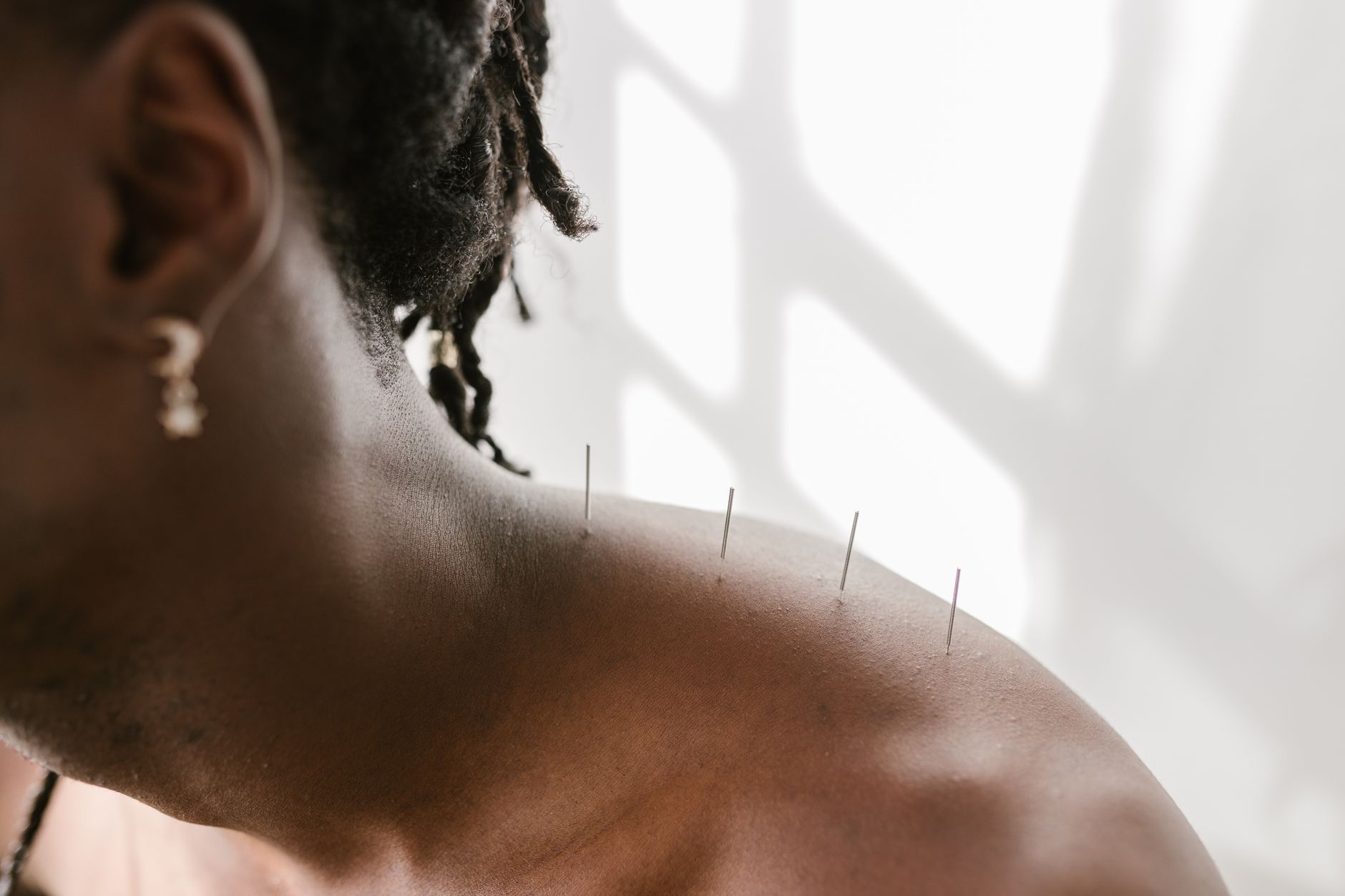
Pain -- in the back, neck, shoulders, or joints -- is the single most common reason patients come to Sayantika Wellness Centre. Much of it is linked to posture, prolonged sitting, and repetitive strain, especially common among the desk-based, IT-corridor population around Nallagandla and Lingampally. Dr. Nidhi Singhal's approach combines acupuncture and supportive therapies with practical posture guidance, aimed at relief that holds up in daily life, not just in the treatment room.
Understanding Pain Management
Low back pain
The most frequent presenting complaint, often linked to prolonged sitting, poor lifting technique, or an underlying issue like lumbar spondylosis.
Neck and shoulder pain
Common in patients who spend long hours at a desk or on a phone/laptop; frequently presents alongside headaches.
Frozen shoulder
A specific, often slow-resolving condition involving stiffness and restricted movement in the shoulder joint, distinct from general shoulder pain in how long recovery takes.
Knee and joint pain
Wear-related or activity-related joint discomfort -- one of the highest-volume search terms for this kind of clinic.
Frequently Asked Questions
What's the difference between shoulder pain and frozen shoulder? +
General shoulder pain often improves relatively quickly with treatment and rest. Frozen shoulder specifically involves progressive stiffness and a much longer recovery timeline, often needing a more structured, patient course of care.
What usually causes back, neck, and joint pain in this age group? +
Most commonly, prolonged sitting and poor posture (especially desk-based and commuting lifestyles), repetitive strain, and in some cases underlying degenerative conditions like spondylosis. Age-related wear also contributes to knee and joint pain specifically.
How does Sayantika Wellness Centre approach pain management? +
Acupuncture and acupressure to relieve pain and improve circulation, cupping and infrared therapy for muscle tension and stiffness, TENS therapy for nerve-related pain, and posture and lifestyle correction guidance to address the underlying cause of recurrence -- not only the current episode.
How long before I notice improvement? +
Depends on whether the pain is recent (acute) or long-standing (chronic). Acute pain often responds within a few sessions; chronic or degenerative conditions like frozen shoulder or long-standing knee pain typically need a longer, structured course.
Sudden severe pain, numbness or weakness spreading down a limb, or pain following a fall or injury with visible swelling or deformity should be assessed by a doctor first, not treated here initially.
Outlook
Most pain-related concerns respond well to a combination of hands-on therapy and practical changes to daily posture and movement habits. The goal isn't just relief in the moment -- it's relief that lasts because the underlying cause has been addressed.
Book a consultation to discuss your specific pain.
Book / Enquire on WhatsApp