
Stress & Lifestyle
Stress & Anxiety — Calm the Mind, Ease the Body
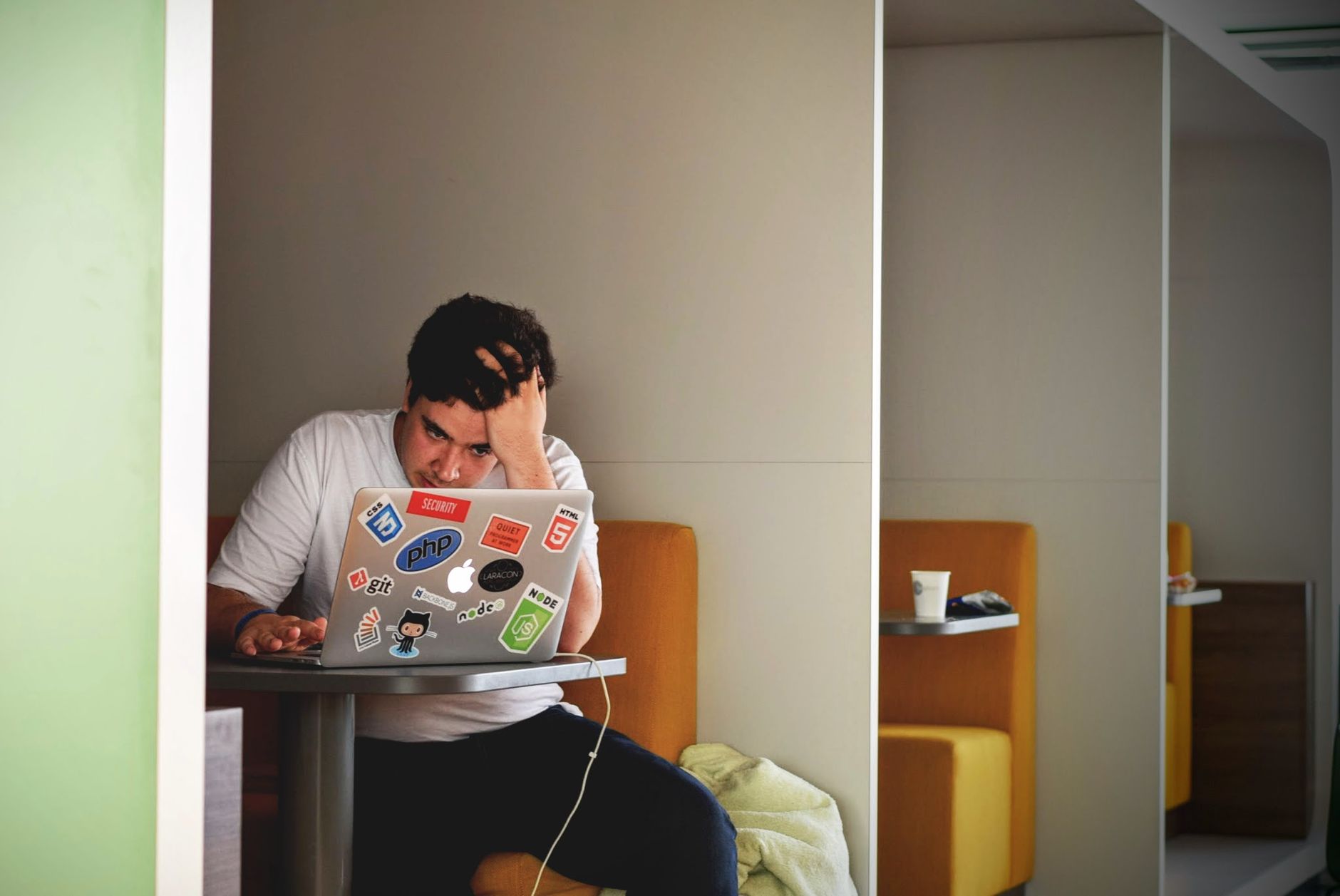
Ongoing stress and anxiety show up differently for everyone -- a racing mind at night, a tight chest before a difficult day, or a constant low hum of worry that makes it hard to switch off. It's one of the most common concerns patients bring to Sayantika Wellness Centre, often alongside physical symptoms like disrupted sleep, tension headaches, or digestive upset. Dr. Nidhi Singhal offers acupuncture and supportive therapies aimed at calming the nervous system, always as a complement to any mental health care you're already receiving, not a replacement for it. [DRAFT -- needs Dr. Singhal review, see content/services/stress-anxiety.md]
Understanding Stress & Anxiety
Everyday stress and overwhelm
Persistent tension linked to work, family responsibilities, or a heavy mental load -- often the first thing that brings a patient in, described simply as "I can't switch off."
Anxiety with physical symptoms
Racing heart, tight chest, shallow breathing, or a knotted stomach that shows up alongside worry -- frequently mistaken at first for an unrelated physical issue.
Sleep disruption linked to anxiety
Difficulty falling asleep because the mind won't quiet down, or waking in the night with anxious thoughts -- closely tied to daytime stress levels.
Stress-related tension and pain
Headaches, jaw clenching, or neck and shoulder tightness that flares specifically during high-stress periods, easing somewhat once the stressor passes.
Frequently Asked Questions
What's the difference between everyday stress and anxiety? +
Stress is usually tied to a specific, identifiable pressure -- a deadline, a difficult conversation, a busy season -- and tends to ease once that pressure lifts. Anxiety can persist without an obvious trigger, or the worry can feel out of proportion to the situation, and often comes with physical symptoms like a racing heart or tight chest.
What causes stress and anxiety to build up? +
Commonly, sustained work or family pressure, poor sleep feeding back into more anxiety, major life changes, or an accumulation of smaller stressors without enough recovery time in between. For some patients there's no single obvious cause -- it's simply built up gradually.
What are the signs I should pay attention to? +
Difficulty switching off at night, a racing or restless mind, physical tension in the jaw, neck, or shoulders, changes in appetite or digestion, and irritability or feeling on edge more often than usual.
How does Sayantika Wellness Centre support stress and anxiety? +
Acupuncture and acupressure aimed at calming the nervous system and easing physical tension, alongside practical guidance on sleep and daily routine. This is supportive care -- it works well alongside therapy or medical treatment, and isn't a substitute for either when those are needed.
Can acupuncture replace therapy or medication for anxiety? +
No. Acupuncture and supportive therapies may help ease physical tension and support overall calm, but ongoing or significant anxiety should be assessed and managed by a qualified mental health professional or physician. This care is offered alongside that support, not instead of it.
If stress or anxiety is significantly affecting your ability to function day to day, or if you're experiencing panic attacks, persistent low mood, or thoughts of self-harm, please reach out to a mental health professional or crisis service first. This is supportive, complementary care, not a substitute for that support.
Outlook
Stress and anxiety respond well to a combination of approaches -- acupuncture and supportive therapy can genuinely help ease the physical grip of tension and support better sleep, especially alongside good routines and, where needed, professional mental health care. You don't have to manage it alone or wait until it feels unbearable to ask for support.
If stress or anxiety is wearing you down, let's talk about a supportive plan alongside any care you're already receiving.
Book / Enquire on WhatsApp